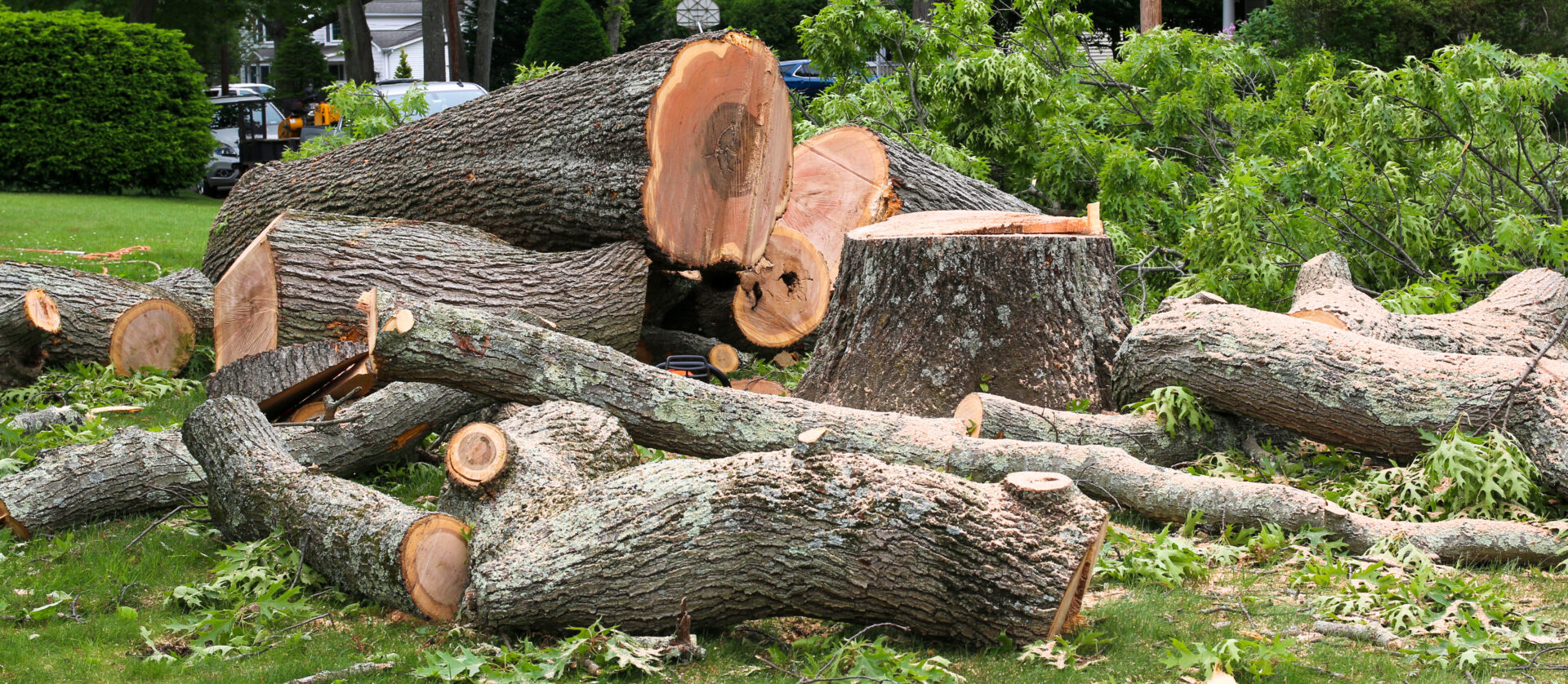
The Art of Tree Pruning: Tips for Healthy Growth Jan 04, 2026
First and foremost, let's discuss why pruning is so vital. Pruning is primarily done to remove dead or diseased branches, which can spread infections and attract pests. By eliminating these weak points, you are reinforcing the tree's immune system. Furthermore, pruning enhances air circulation and sunlight penetration, both crucial for photosynthesis, thus boosting the tree's overall health. Regular pruning also shapes the tree, preventing it from growing in a way that could potentially damage property or obstruct views.
Timing is everything when it comes to pruning. The best time to prune trees depends largely on the species and the purpose behind the pruning. Generally, the dormant season, late winter before spring growth starts, is the ideal time for most trees. Pruning during this period minimizes the stress on trees and lowers the risk of disease spread. However, if you aim to encourage flowering, you might want to prune after the tree flowers. For instance, if you are dealing with spring-flowering trees, it's best to prune after the blooms fade. On the other hand, for trees that bloom in summer, winter pruning is advisable.
Having the right tools is crucial for effective pruning. Make sure your tools are sharp and clean to ensure smooth cuts, reducing the likelihood of tearing or bruising the bark. Hand pruners are perfect for small branches, while loppers are suitable for larger ones. For thick and high branches, a pruning saw may be necessary. Always ensure safety by wearing gloves and eye protection.
When you begin pruning, it is important to identify and remove branches that are dead, diseased, or crossing over others. Look for branches that rub together as they can cause wounds and lead to disease. Cuts should always be made at a slight angle about a quarter-inch above a bud that faces outwards. This encourages new growth outward, maintaining the tree's natural shape.
Remember, less is more when it comes to tree pruning. Removing too much foliage can stress the tree, so it is advisable to remove no more than 25% of the tree's canopy in a single year. Regular, light pruning is more beneficial and less traumatic for the tree than sporadic, heavy pruning.
In conclusion, the art of tree pruning is not just about cutting away branches; it involves careful consideration and planning to promote lasting health and beauty in your landscape. By understanding the basic principles and techniques of pruning, you can ensure that your trees remain robust and attractive throughout the seasons. For more specialized help or if you're ever in doubt, reaching out to professionals like those at Canopy Tree Service can provide the assurance and expertise needed for optimal tree care and management. Keep your trees in peak condition and enjoy the lush, vibrant environment they create.
/filters:no_upscale()/filters:format(webp)/media/562d42a5-e5c9-41fa-83b4-d035ab0a3388.jpeg)